Matariki by Haser - Celebrating Matariki 2026
This Matariki, Precinct welcomes the return of Auckland artist Haser with an expanded Artist in Residence installation celebrating one of Aotearoa's most significant cultural occasions.
Now in its second year, Matariki by Haser spans across Precinct's Auckland and Wellington buildings. Running from 1 July through to early August, the installation transforms windows, the airbridge and shared spaces into vibrant canvases that invite people to pause, reflect and connect with the meaning of the season.
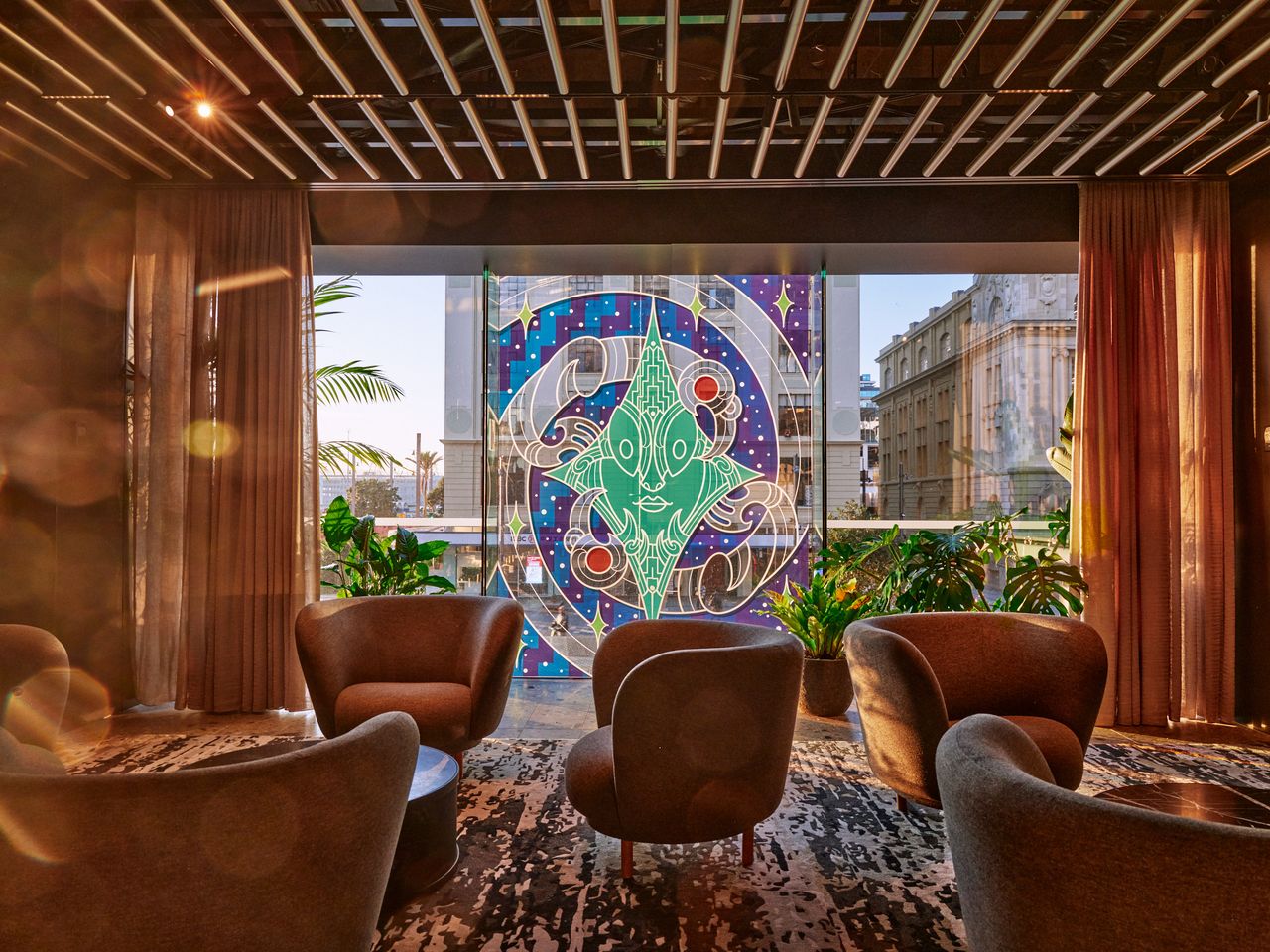
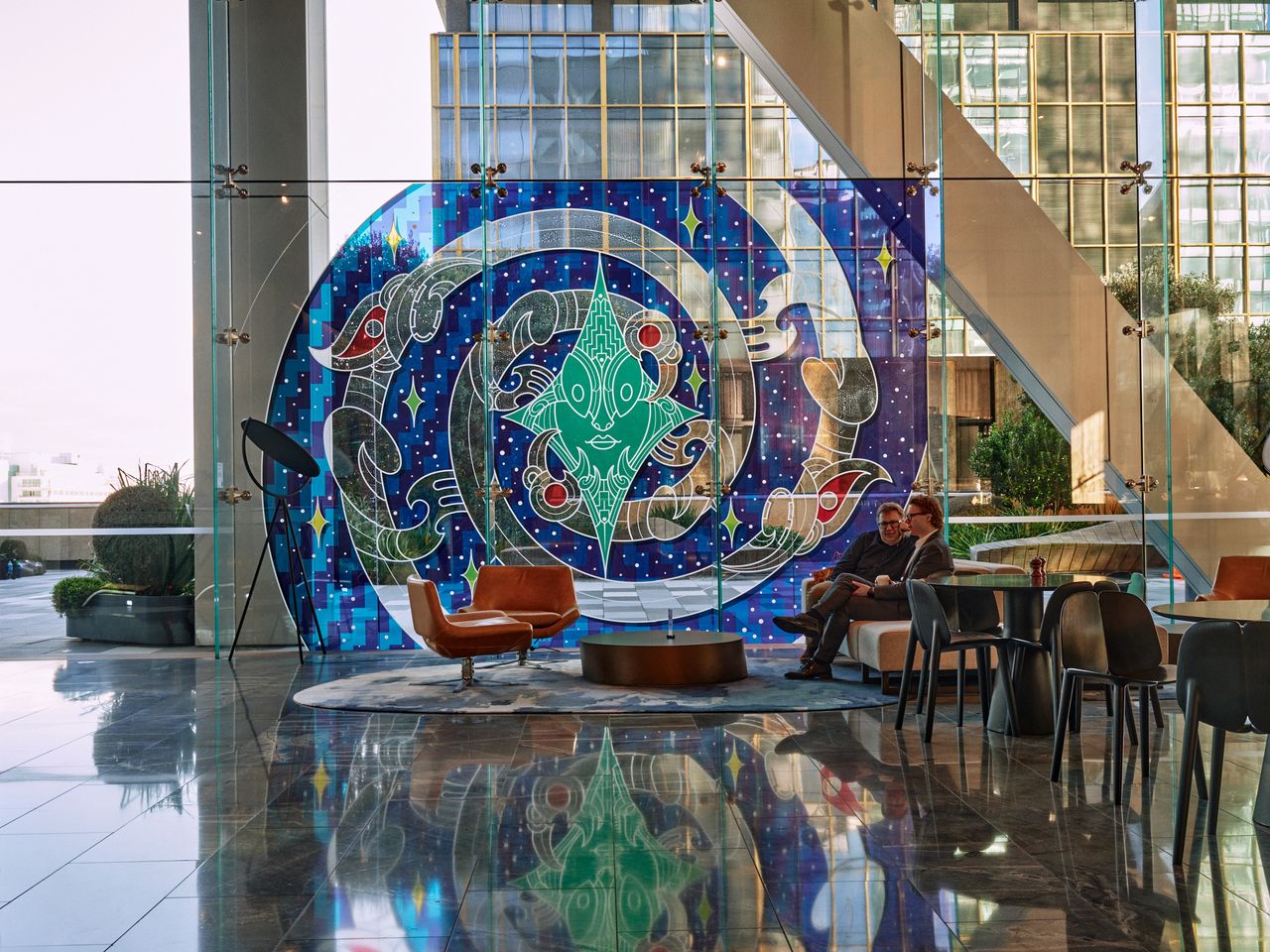
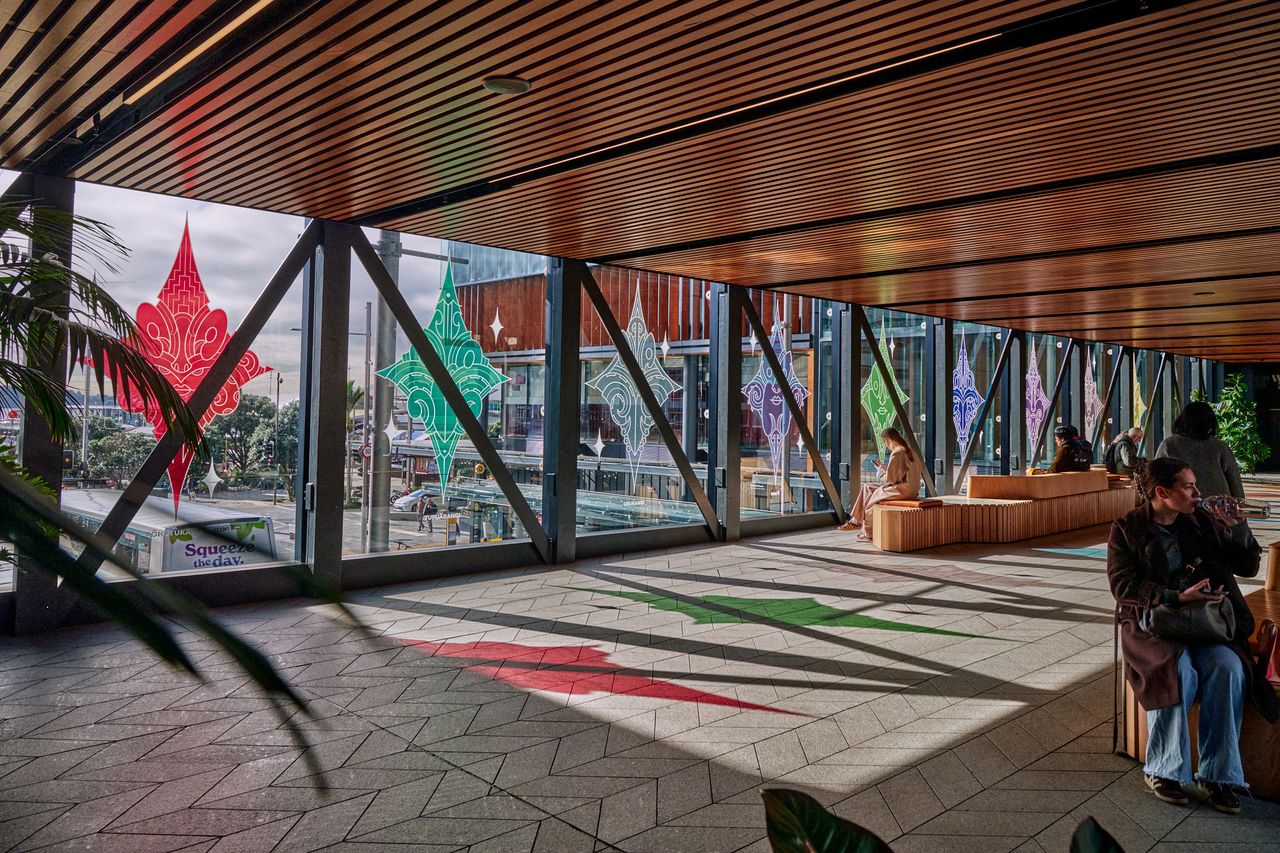
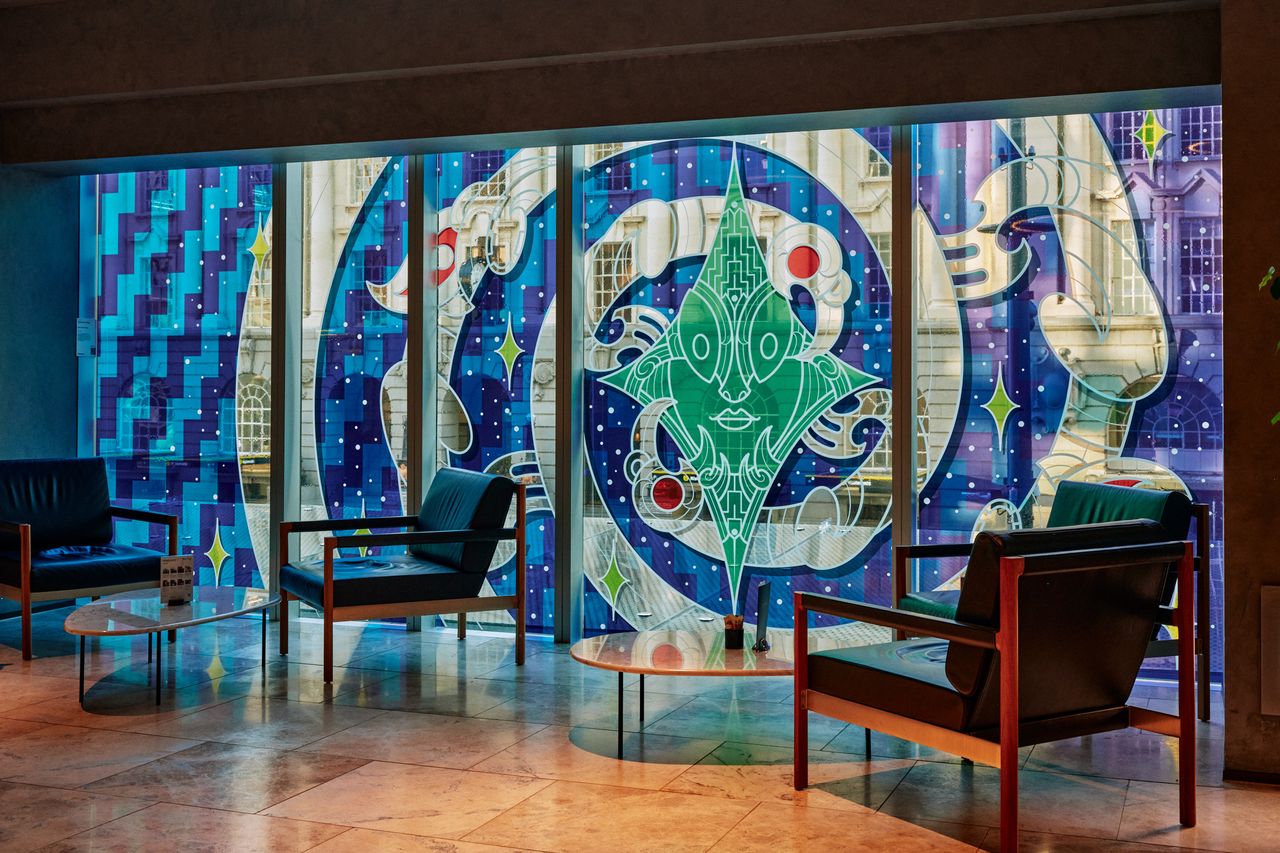
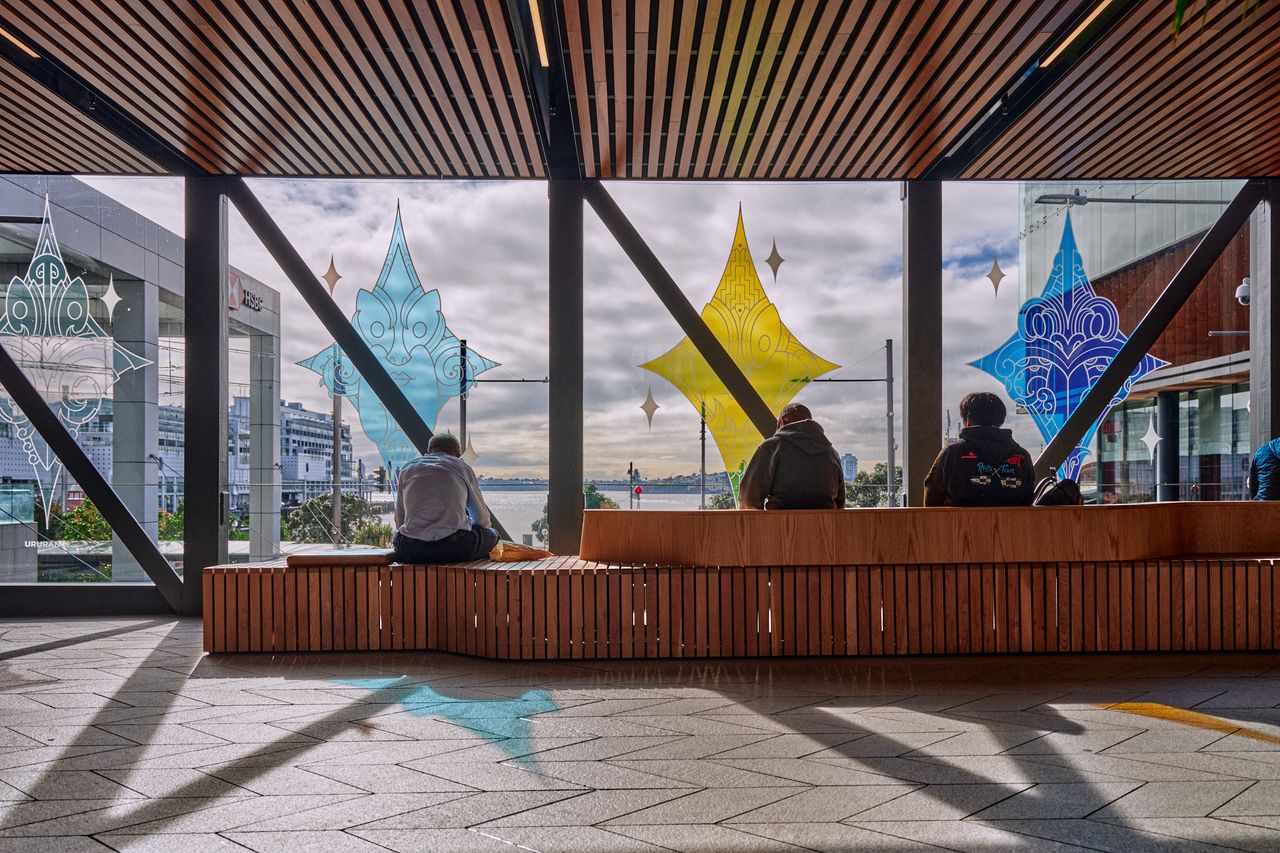
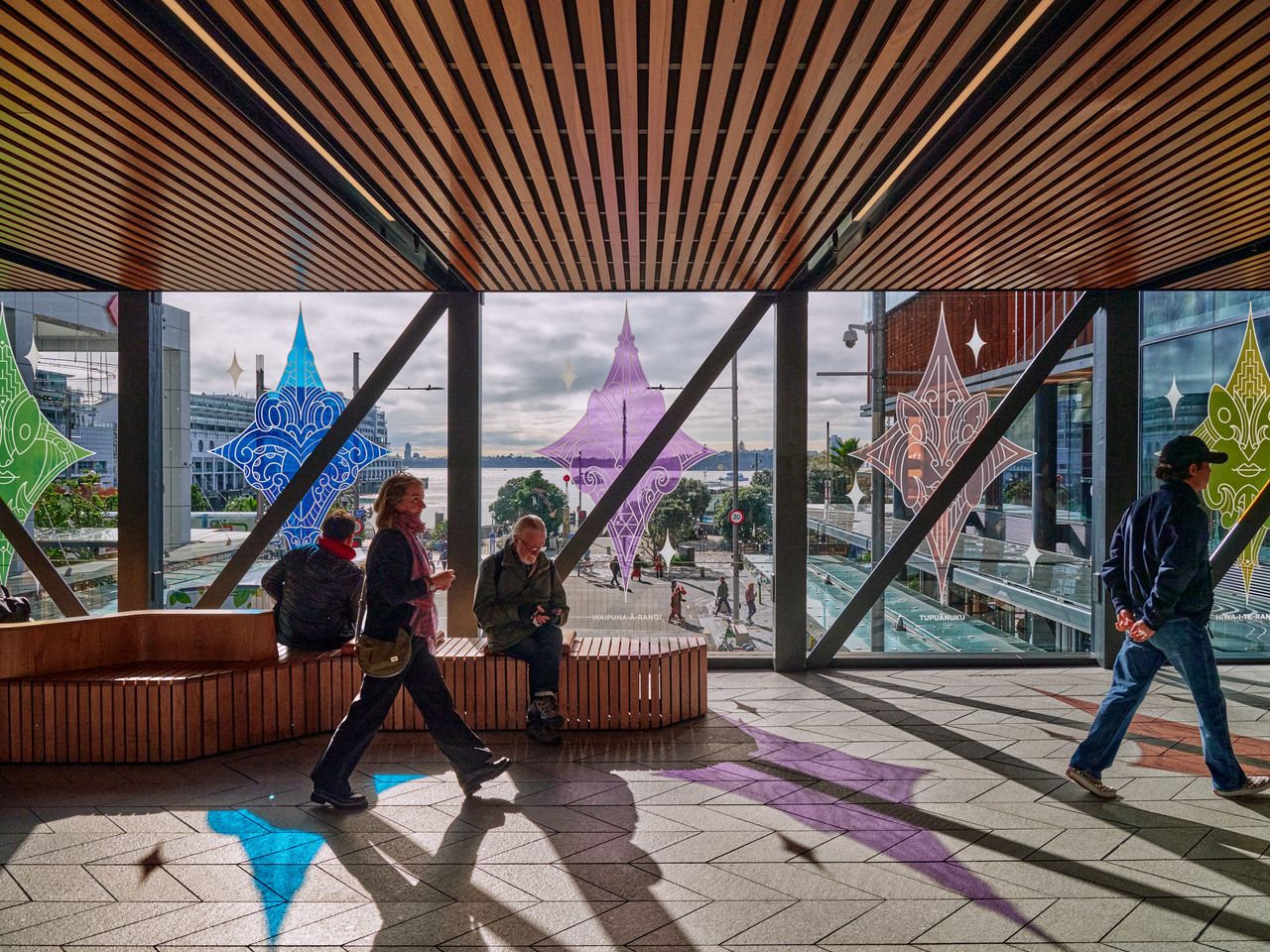
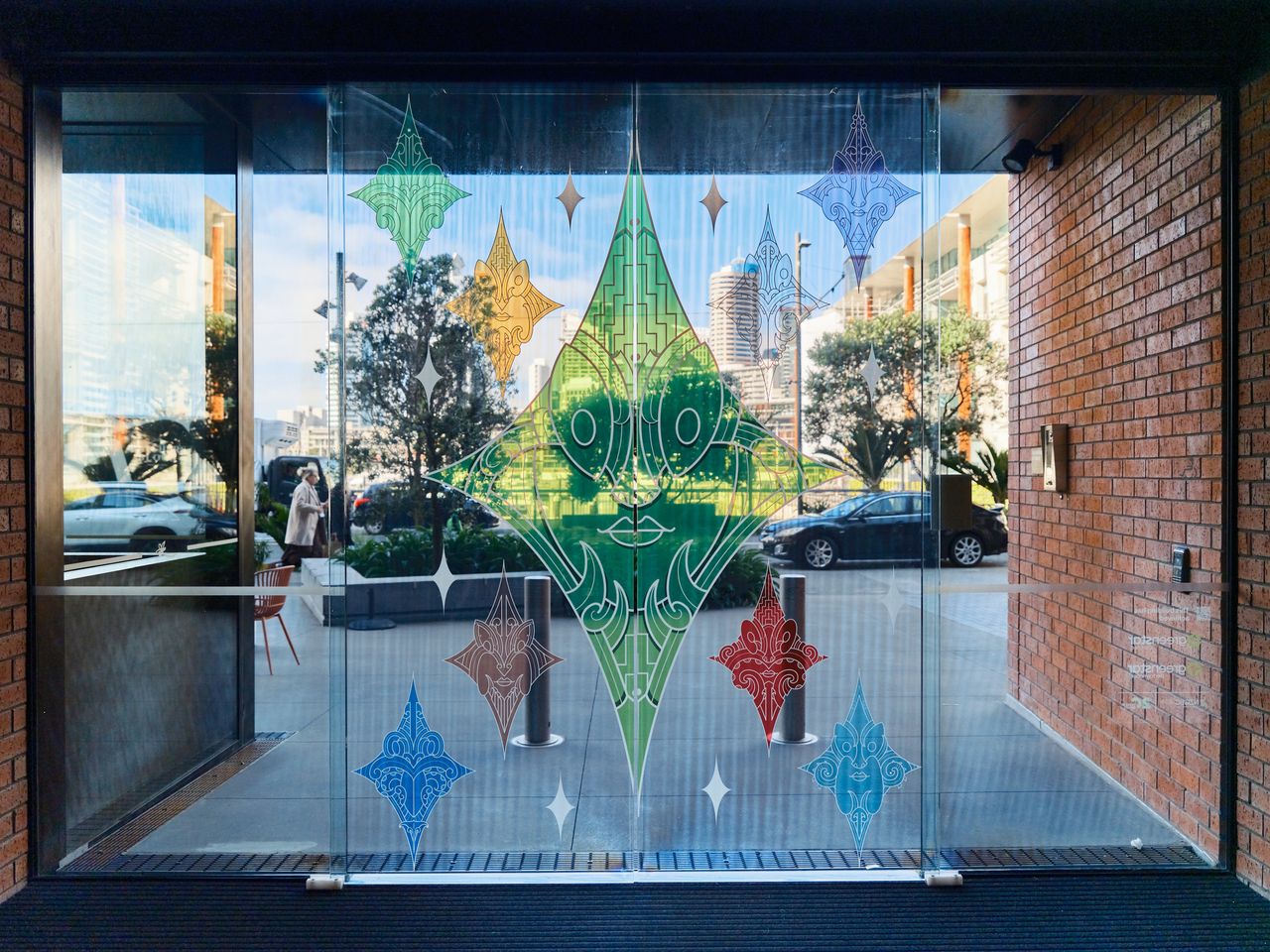
At the heart of the installation is a collection of colourful, light-reflective whetū (stars), inspired by the Matariki constellation. Through bold contemporary design and Māori storytelling, Haser explores themes of remembrance, renewal, aspiration and connection - values that sit at the centre of Matariki.
Appearing across the Commercial Bay airbridge, PwC Tower, Deloitte Centre, GHD, and Becca House in Auckland alongside the NTT tower and Aon Centre in Wellington, the installation invites visitors, workers and the wider community to encounter the stories of Matariki throughout their daily journeys, offering moments for reflection, connection and discovery.
Haser’s creative concept celebrates the nine stars of the Matariki cluster, each carrying its own significance and meaning. Through contemporary interpretations, the installation reflects the values associated with each whetū - from remembrance and wellbeing to environmental connections, food sources and aspirations for the future.
Utilising a mix of transparent and solid decals, the installation comes alive as sunlight filters through the artworks, casting colour and movement throughout the precinct. The placement of the whetū invites viewers to imagine the Matariki cluster rising above the Waitematā - a celestial reminder of the connection between land, sky and people.
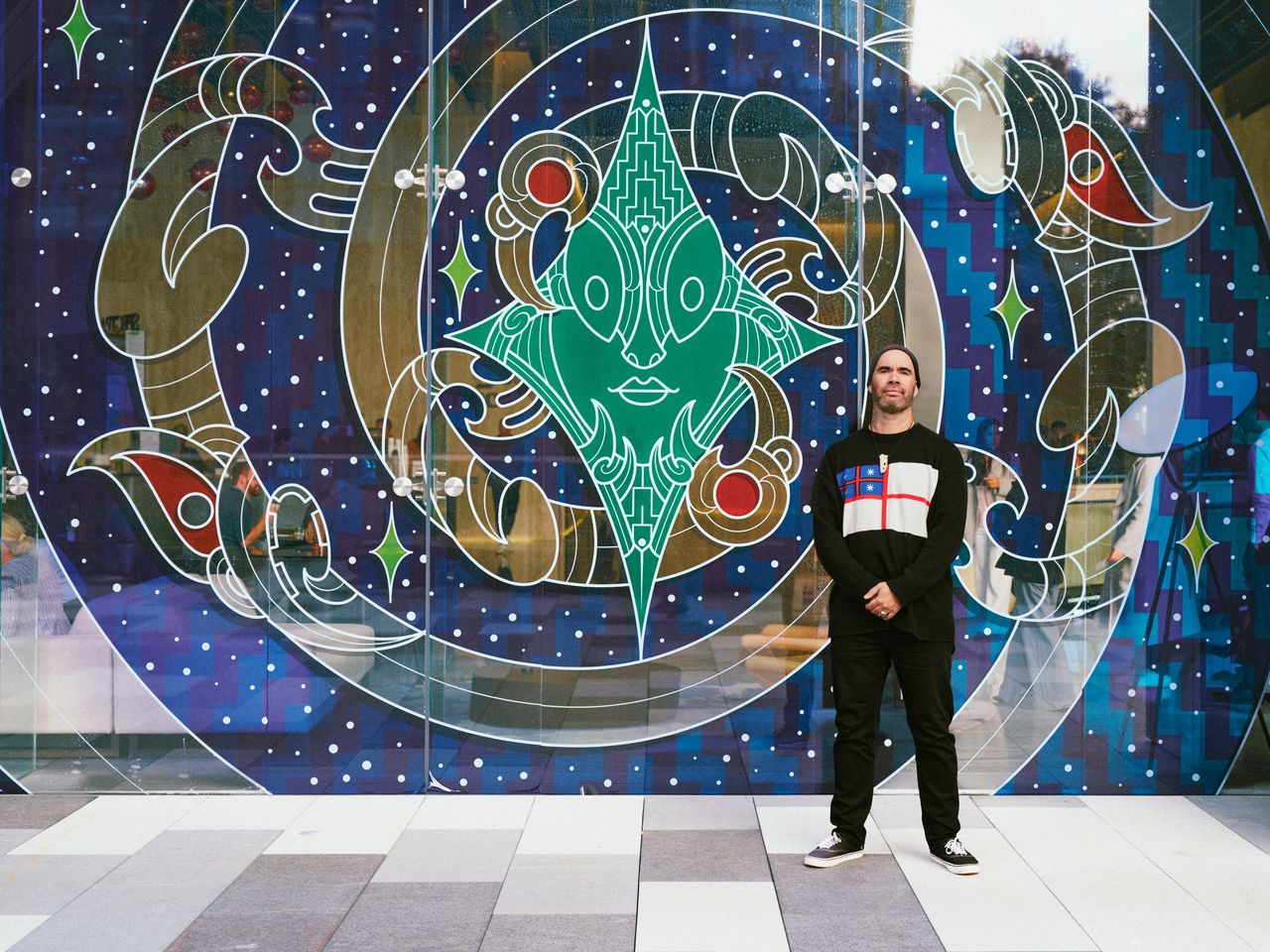
One of the key works featured throughout the installation explores the cycle of life and renewal. Drawing inspiration from the Manaia and Te Ikaroa (The Milky Way), the artwork reflects on the importance of honouring those who have passed while preparing for what lies ahead. Layered with traditional Māori patterns and symbolism, it speaks to the themes of remembrance, reflection and growth that define the Matariki season.
As a place where thousands of people gather, work and connect every day, Precinct is proud to support opportunities for cultural expression and storytelling within the built environment. Through partnerships with artists such as Haser, public spaces become places of learning, reflection and shared experience.
Matariki is a time to remember those who have passed, celebrate the present and look ahead to the future with hope. Through this year's installation, Precinct invites Aucklanders and visitors alike to take a moment to pause and acknowledge the season of Matariki through a uniquely contemporary lens.
About Kairau 'Haser' Bradley
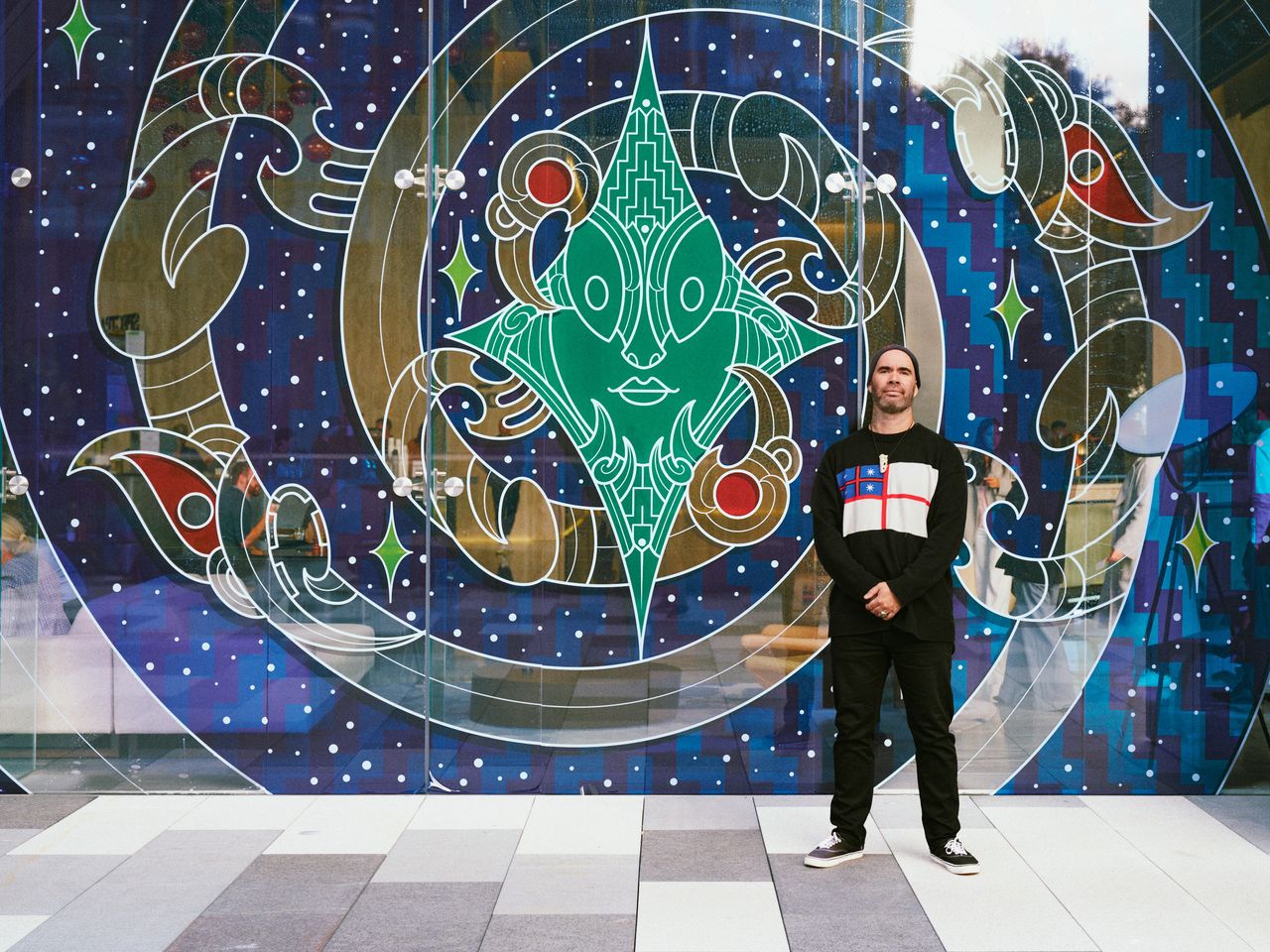
A leading figure in Aotearoa’s street art and graffiti scene, Kairau ‘Haser’ Bradley (Ngāpuhi) has spent over two decades pushing boundaries - both in the urban landscape and within the studio. Born and raised in West Auckland, Haser’s practice spans the globe, with works exhibited across North America, Asia, Europe and beyond. After ten years working in the design world, he has returned to a full-time art practice grounded in identity, community, and visual rhythm.
Haser’s work reflects his ongoing exploration of the alphabet and graffiti’s visual language - reinterpreted through bold, saturated colour and post-graffiti narratives. This latest work for Matariki, while deeply rooted in cultural heritage, also carries his signature energy and movement. It’s a tribute to those who came before, a celebration of those around us, and a hopeful offering for the future.
As Haser puts it:
"Matariki for me is about community... a reminder that people’s presence around us is not forever, nor promised. Wherever I go in this world, it is a humble feeling to know it is not alone."
E hara taku toa i te toa takitahi, he toa takitini.
My strength is not as an individual, but as a collective.